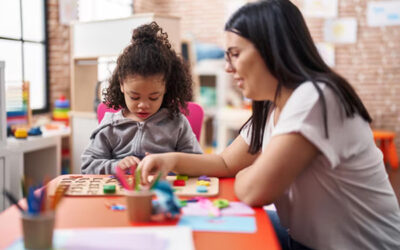
Childhood is a time of learning, discovery, and growth, yet for some children, managing impulses and emotions can feel like a daily challenge. Parents, teachers, and caregivers often notice that certain kids struggle with self-control more than others. Understanding why some children face these difficulties is essential for providing the right kind of support and guidance. At My Favorite Therapists Tampa, located in Lake Magdalene, we work closely with families to address child self-control challenges and help children develop skills for managing their emotions and behaviors.
Understanding Child Self-Control Challenges
Self-control is the ability to manage impulses, emotions, and behaviors in different situations. It allows children to wait their turn, follow rules, resist temptations, and make thoughtful choices. However, some children experience child self-control challenges, which can affect their relationships, academic performance, and overall well-being. These challenges are not necessarily a sign of poor parenting or lack of discipline; they often have deeper roots in emotional and neurological development.
The Role of Emotional Regulation in Kids
One of the main reasons children struggle with self-control is difficulty with emotional regulation in kids. Emotional regulation refers to a child’s ability to understand, express, and manage their emotions. Children who have trouble regulating their emotions may react impulsively, get frustrated easily, or have intense emotional responses that seem disproportionate to the situation.
Emotional regulation develops gradually, and different children progress at different rates. Some kids may have stronger temperaments or heightened sensitivity, which can make it harder for them to manage their feelings. These children may need extra guidance and strategies to navigate their emotions successfully.
Neurological and Developmental Factors
Self-control is closely linked to brain development, especially in areas responsible for executive functioning. The prefrontal cortex, which is still developing in children and teens, plays a key role in planning, decision-making, and impulse control. Children with delays or differences in brain development may show greater child self-control challenges.
For example, children with ADHD or other neurodevelopmental conditions often find it harder to pause and think before acting. This is not a reflection of their character or effort; rather, it is related to how their brain processes information and regulates behavior.
Environmental and Social Influences
The environment in which a child grows up also impacts self-control. Consistent routines, supportive caregivers, and positive role models can help children learn to manage their impulses. On the other hand, stressful environments, inconsistent boundaries, or exposure to frequent conflict can make it harder for a child to practice self-control.
Peer influence is another factor. Children often model behaviors they see in friends and classmates. If a child is surrounded by peers who act impulsively or struggle with emotional regulation, they may have more difficulty developing self-control themselves.
Identifying Signs of Self-Control Challenges
Recognizing child self-control challenges early can help parents and caregivers provide support before behaviors become more difficult to manage. Some common signs include:
- Frequent emotional outbursts or tantrums
- Difficulty waiting for turns or sharing
- Impulsive actions without considering consequences
- Trouble following directions or classroom rules
- Frustration or anger over minor setbacks
Understanding these behaviors as signals of a deeper challenge, rather than just misbehavior, is an important first step in helping children build skills for managing impulses.
Strategies to Support Children
Children struggling with self-control benefit from guidance, practice, and consistent support. Here are some approaches that families and caregivers can use:
Consistent Routines
Structured daily routines help children know what to expect and reduce uncertainty, which can trigger impulsive behavior. Predictable schedules for meals, homework, and bedtime create a sense of security and make it easier for children to manage emotions.
Clear Expectations
Clear and simple rules help children understand boundaries. When children know what behavior is expected, they can make better decisions and practice self-control. Visual reminders, charts, or consistent verbal cues can reinforce these expectations.
Emotional Coaching
Helping children label and understand their emotions is part of emotional regulation in kids. Encourage children to express how they feel and provide guidance on healthy ways to respond. For example, deep breathing, taking a short break, or using words to express frustration can prevent impulsive reactions.
Positive Reinforcement
Recognizing and acknowledging moments when children demonstrate self-control encourages repetition of those behaviors. Praise should focus on the effort and strategies the child uses rather than just the outcome.
Behavioral Support Services
When challenges persist, professional support can make a significant difference. Behavioral intervention services in Lake Magdalene provide structured programs for children struggling with self-control, helping them develop coping strategies and practice social skills in a supportive environment. Services like those offered at My Favorite Therapists Tampa guide children and families through practical methods to manage behaviors and navigate challenging situations.
When to Seek Support
It is natural for all children to struggle with self-control at times. However, it may be helpful to seek support if:
- The child’s behavior consistently interferes with school, home life, or friendships
- Emotional outbursts are frequent or intense
- Attempts to guide behavior at home or school are not effective
- There are signs of anxiety, depression, or other emotional difficulties
Early support can prevent long-term struggles and help children develop confidence in managing their impulses and emotions.
The Connection Between Home and School
Collaboration between parents, caregivers, and teachers is vital for children with self-control challenges. Consistent strategies across home and school environments help children understand expectations and practice skills in multiple settings. Communication about triggers, successful strategies, and progress supports a unified approach that encourages positive behavior.
Addressing Child Self-Control Challenges in Lake Magdalene
At My Favorite Therapists Tampa, families in Lake Magdalene can access guidance and support for children facing self-control challenges. Our approach focuses on helping children develop skills for emotional regulation, problem-solving, and thoughtful decision-making. Through gentle guidance, structured strategies, and consistent support, children can practice new behaviors and gradually gain confidence in managing impulses.
Parents and caregivers also receive coaching on understanding their child’s unique needs and reinforcing strategies at home. This collaborative approach ensures that children are supported in all areas of life and that progress is meaningful and sustainable.
Encouraging Emotional Growth
Struggling with self-control does not mean a child cannot succeed or thrive. Many children with self-control challenges develop remarkable resilience and creativity. Encouraging emotional awareness, teaching practical coping skills, and providing a supportive environment lay the foundation for lifelong growth.
Children who learn to manage their emotions and behaviors gain confidence, stronger relationships, and improved problem-solving skills. Early support from caregivers, educators, and services like Behavioral intervention services Lake Magdalene can make a lasting difference in a child’s development.
Final Thoughts
Understanding child self-control challenges requires patience, observation, and a focus on the child’s developmental needs. Emotional regulation, brain development, environment, and social influences all play a role in shaping a child’s ability to manage impulses and behaviors. With consistent support, clear guidance, and access to helpful resources, children can develop the skills they need to navigate challenges successfully.
Families in Lake Magdalene can turn to My Favorite Therapists Tampa for assistance in understanding and addressing self-control challenges. Through collaboration and guidance, children can gain confidence in their emotional and behavioral abilities, setting the stage for positive growth and healthy development.
FAQ About Child Self-Control Challenges
What are the main reasons children struggle with self-control?
Children may struggle due to differences in brain development, temperament, emotional regulation, and environmental influences. Conditions like ADHD can also make it harder to manage impulses.
How can emotional regulation in kids be supported at home?
Parents can model calm responses, label emotions, use visual cues, create routines, and encourage children to express feelings in safe ways, such as talking, drawing, or deep breathing.
When should parents seek behavioral support services in Lake Magdalene?
Support is helpful when self-control challenges consistently interfere with school, home life, or friendships, or when strategies at home are not producing positive changes.
Can self-control challenges improve with age?
Yes. Many children naturally develop better self-control as their brain matures. However, guidance and structured support accelerate skill development and prevent long-term struggles.
How does My Favorite Therapists Tampa help children with self-control issues?
We provide guidance, behavioral strategies, and support for emotional regulation, working with children and families in Lake Magdalene to create consistent approaches that encourage positive behavior and confidence.