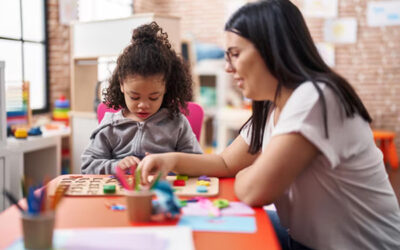
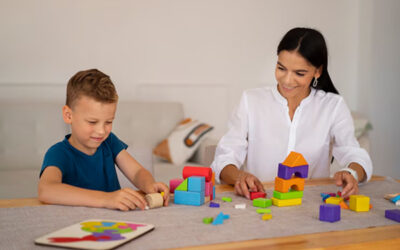
Behavioral outbursts in children can be challenging for parents, teachers, and caregivers. These outbursts often arise when a child cannot express their needs, feelings, or frustrations in an appropriate way. Functional communication provides a pathway to help children communicate effectively, which in turn reduces stress and prevents problem behaviors. At My Favorite Therapists Tampa, located in Lake Magdalene, we focus on strategies that support children with expressive language challenges and help them manage frustration through functional communication training.
Understanding Functional Communication
Functional communication refers to using words, gestures, signs, or other forms of communication to express needs, preferences, and feelings. For children who struggle with expressive language challenges, the inability to communicate often leads to frustration, which can manifest as behavioral outbursts. These behaviors are not random; they are often a form of communication in themselves. By teaching children functional ways to communicate, caregivers can reduce instances of problem behaviors.
The Link Between Communication and Behavioral Outbursts
Many behavioral outbursts occur when a child cannot express what they want or need. For example, a child might scream, push, or throw objects when they cannot ask for help or a specific item. Functional Communication reduces problem behaviors by providing children with tools to express themselves in ways that are understood by others. When children can communicate their needs clearly, they are less likely to act out in frustration.
Identifying Expressive Language Challenges
Expressive language challenges are common among children with developmental delays, autism spectrum disorder, or other communication difficulties. These challenges make it hard for children to form sentences, use words correctly, or express thoughts and feelings. Recognizing these challenges early is essential because unaddressed expressive language difficulties often lead to behavioral issues. By identifying these challenges, caregivers and therapists can focus on functional communication strategies that reduce problem behaviors.
Functional Communication Training
Functional communication training (FCT) is a method used to teach children alternative ways to communicate their needs rather than using problem behaviors. This type of training is particularly effective in reducing outbursts because it directly addresses the reason behind the behavior. For instance, a child who throws a toy when frustrated may be taught to request help verbally or with a gesture. In Lake Magdalene, My Favorite Therapists Tampa provides functional communication training that helps children practice these skills in everyday situations, making communication a natural part of their routine.
Steps in Functional Communication Training
- Observation: The first step is understanding the situations that trigger problem behaviors. Caregivers and therapists observe when and why outbursts occur.
- Identifying Communication Needs: Determine what the child is trying to express through their behavior, such as hunger, discomfort, or a desire for attention.
- Teaching Alternatives: Introduce communication methods that the child can use instead of problem behaviors. This may include simple words, picture cards, sign language, or gestures.
- Reinforcing Communication: Every time the child uses functional communication instead of a behavioral outburst, it is acknowledged and reinforced. Positive reinforcement encourages repeated use.
- Generalizing Skills: Finally, children practice these communication methods in different environments, with different people, to ensure they can use them in all relevant situations.
Managing Frustration Through Communication
Frustration management is a key benefit of functional communication. Children who cannot express themselves often feel overwhelmed and act out. Teaching children ways to communicate their feelings reduces stress and helps them handle challenging situations more calmly. For example, a child may learn to say “I need a break” when feeling overwhelmed instead of crying or hitting. This skill not only reduces problem behaviors but also contributes to emotional development.
Functional Communication in Everyday Life
Integrating functional communication into daily routines is essential for lasting results. At My Favorite Therapists Tampa in Lake Magdalene, therapists work with children in settings that mirror real-life situations, such as classrooms, playgrounds, or homes. Practicing communication in these environments ensures that children can use their skills when it matters most. Everyday practice also helps children generalize their skills, making it easier for them to navigate social interactions without behavioral outbursts.
Examples of Functional Communication
Functional communication can take many forms depending on the child’s abilities. Some examples include:
- Using words or phrases to request items, attention, or breaks.
- Picture exchange systems where children hand a picture of the desired object to an adult.
- Gestures or sign language for children who are nonverbal or have limited verbal skills.
- Simple sentences to express feelings like “I am angry” or “I need help.”
By offering these options, children learn that their needs can be met without resorting to problem behaviors.
The Role of Caregivers and Educators
Caregivers and educators play a significant role in supporting functional communication. Consistent modeling, prompting, and reinforcement of communication methods help children internalize these skills. When adults respond promptly and positively to functional communication, children learn that using words or gestures is effective. At My Favorite Therapists Tampa, we work closely with families and teachers in Lake Magdalene to create strategies that support children both at home and at school.
Benefits of Functional Communication Training
Functional communication training offers multiple benefits beyond reducing behavioral outbursts:
- Improved self-expression: Children can share their thoughts and feelings more effectively.
- Increased independence: Being able to communicate needs reduces reliance on caregivers for every request.
- Better social interactions: Clear communication helps children build positive relationships with peers and adults.
- Enhanced emotional regulation: Children learn to express frustration without acting out physically.
By teaching children to communicate effectively, functional communication training addresses the root cause of problem behaviors rather than just the symptoms.
Challenges and Considerations
Implementing functional communication training requires patience and consistency. Some children may initially struggle with using new communication methods, especially if they have expressive language challenges. Consistent practice, encouragement, and reinforcement are necessary to help them succeed. Caregivers should also be aware that behavioral outbursts may still occur during the learning phase, but these instances typically decrease over time as communication skills improve.
Functional Communication Training in Lake Magdalene
At My Favorite Therapists Tampa, Functional communication training lake magdalene is designed to meet the specific needs of each child. Our approach focuses on observing the child, identifying triggers for problem behaviors, and teaching alternative ways to communicate. Through ongoing support and collaboration with families, children in Lake Magdalene learn to express their needs effectively, manage frustration, and reduce behavioral outbursts.
Final Thoughts
Behavioral outbursts often signal a deeper need for communication. Children with expressive language challenges frequently resort to problem behaviors because they lack the tools to express themselves. Functional communication training addresses this issue by teaching children ways to communicate their needs clearly and safely. This not only reduces problem behaviors but also helps children develop emotional regulation and social skills that will benefit them throughout life. Families and caregivers in Lake Magdalene can find guidance and support at My Favorite Therapists Tampa, where functional communication strategies are part of everyday learning.
FAQ
How does functional communication reduce problem behaviors?
Functional communication reduces problem behaviors by providing children with alternative ways to express needs and feelings instead of acting out. When children can communicate effectively, frustration and behavioral outbursts decrease.
Can functional communication help children with expressive language challenges?
Yes, functional communication is particularly helpful for children with expressive language challenges. It gives them tools to convey needs through words, gestures, or visual aids, making it easier to manage frustration.
What is functional communication training?
Functional communication training teaches children specific ways to communicate instead of using problem behaviors. This includes teaching gestures, words, signs, or picture-based systems to express needs and feelings.
How does functional communication support frustration management?
By teaching children ways to express their feelings, functional communication helps them handle difficult situations calmly. Children learn to request help, take breaks, or share emotions without resorting to behavioral outbursts.
Where can I find functional communication training in Lake Magdalene?
My Favorite Therapists Tampa in Lake Magdalene offers functional communication training. Their team works with children and families to reduce problem behaviors and improve communication skills.